
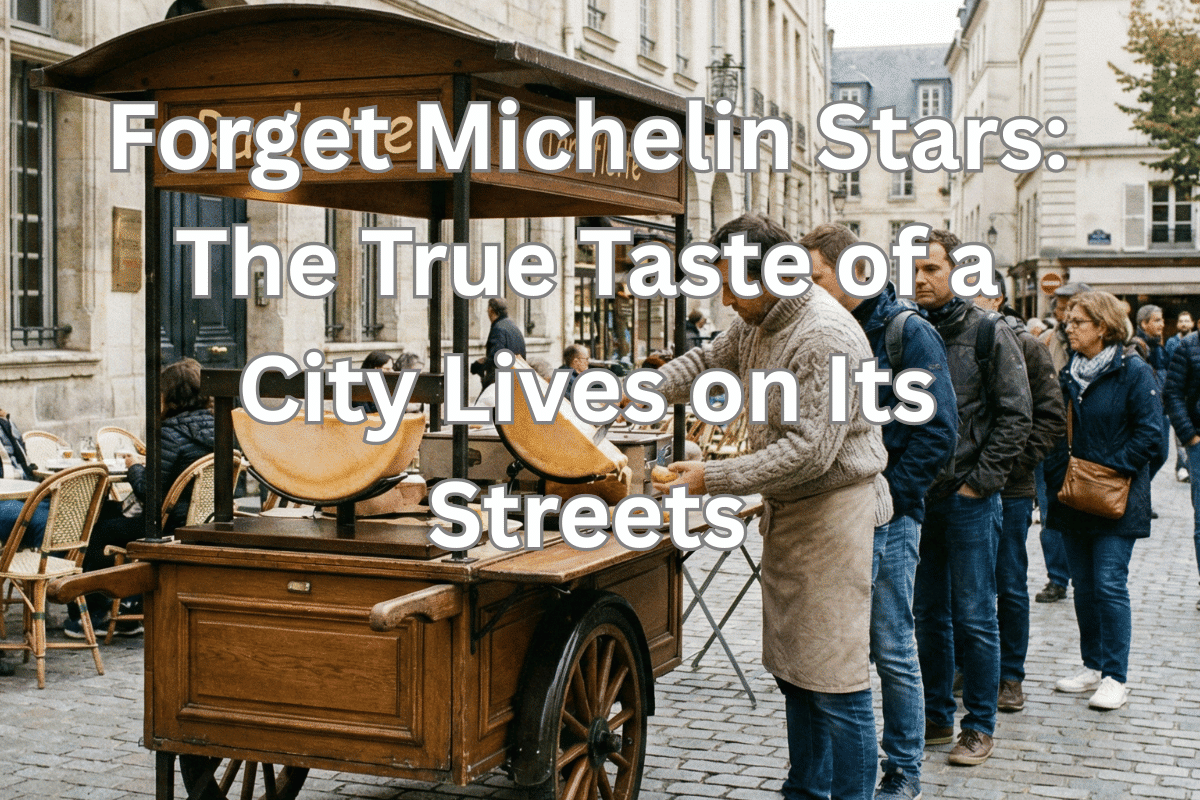
When you think of a city’s culinary identity, what comes to mind? For many, it might be the glittering Michelin-starred restaurants or the fine-dining establishments that dominate travel guides and food blogs. But what if I told you that the true essence of a city’s flavor isn’t found behind velvet curtains or on pristine white tablecloths? Instead, it thrives on its bustling street corners, in the hands of vendors grilling, frying, and steaming their way into the hearts of locals and visitors alike.
Street food is more than just a quick bite on the go—it’s the lifeblood of a city’s gastronomic identity. From the smoky aroma of sizzling satay skewers to the vibrant colors of a taco stand in Mexico City, street food tells the story of a place, its people, and its traditions. It’s time to challenge the fine-dining narrative and embrace the unsung heroes of global cuisine: the street food vendors.
Table of Contents
- The Undisputed Architects of Flavor
- From Humble Cart to Culinary Crucible
- The Economic Pulse on the Pavement
- Cultural Identity, One Bite at a Time
- The Future of Flavor: Reshaping Cityscapes
- A Personal Favorite: Mango and Sticky Rice in Thailand
- Glutionous (Sticky) Rice vs Regular White Rice
- Final Thoughts On Street Food
- Deep Dive Podcast
- Related Questions
The Undisputed Architects of Flavor
Challenging the Fine-Dining Narrative
While haute cuisine may win awards and accolades, it often represents only a small, curated slice of a city’s culinary landscape. Street food, on the other hand, is raw, unfiltered, and accessible. It’s where locals eat, and it’s where you’ll find the soul of a city’s cuisine.
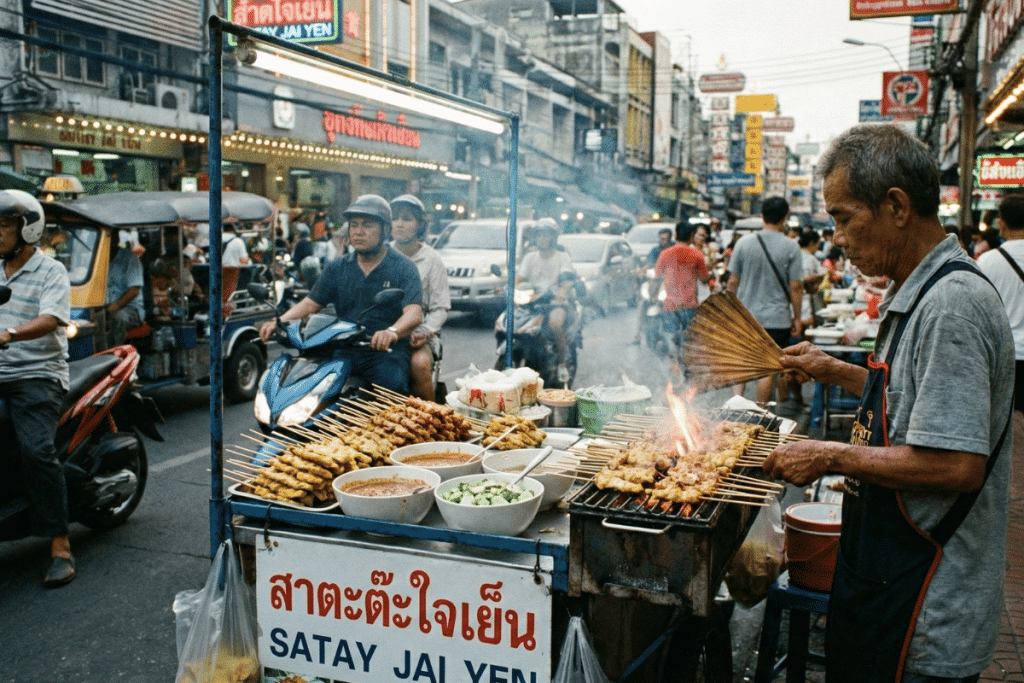
Take Bangkok, for example. While its fine-dining scene is world-class, the true heart of its culinary culture can be found in the bustling streets, where vendors serve up steaming bowls of Pad Thai, fragrant green curry, and skewers of grilled meat. Similarly, in Mexico City, the humble taco al pastor—meat marinated in spices and cooked on a vertical spit—captures the essence of Mexican street food culture in a way no fine-dining dish ever could.
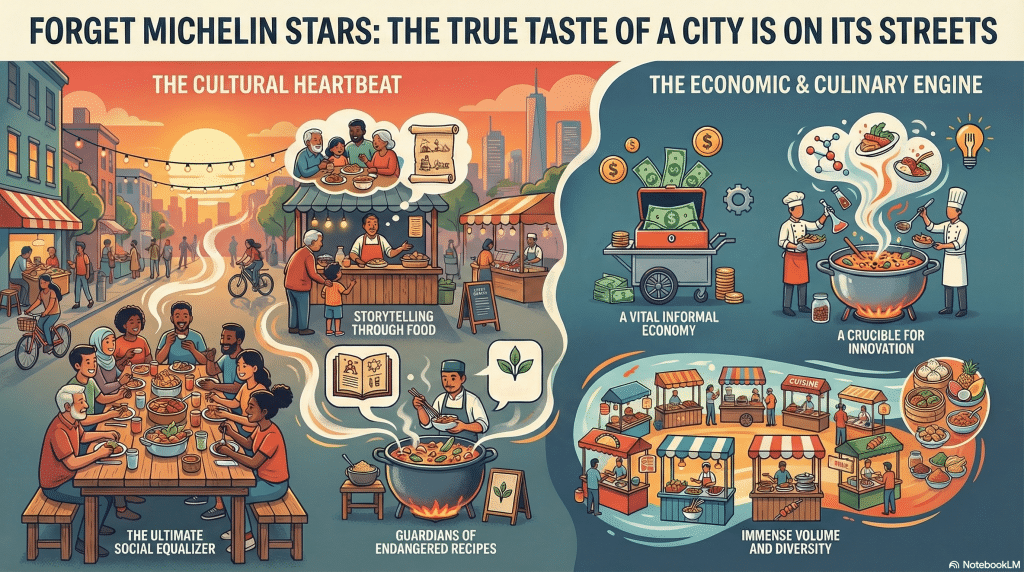
Street food isn’t just food; it’s an experience. It’s the sensory explosion of flavors, smells, and sounds that hooks locals and tourists alike. It’s the diversity of options, the affordability, and the authenticity that make it the ultimate culinary adventure.
The Sheer Volume and Diversity of Street Food
In major culinary hubs around the world, the sheer volume of street food options dwarfs the number of traditional restaurants. Cities like Bangkok, Istanbul, Mumbai, and Hanoi are home to thousands of street vendors, each offering their own unique take on local dishes.
Street food is also incredibly diverse. In a single block, you might find everything from savory dumplings to sweet desserts, from spicy curries to refreshing drinks. This diversity reflects the rich tapestry of cultures, flavors, and histories that make up a city’s identity.
From Humble Cart to Culinary Crucible
The Evolution of Street Food
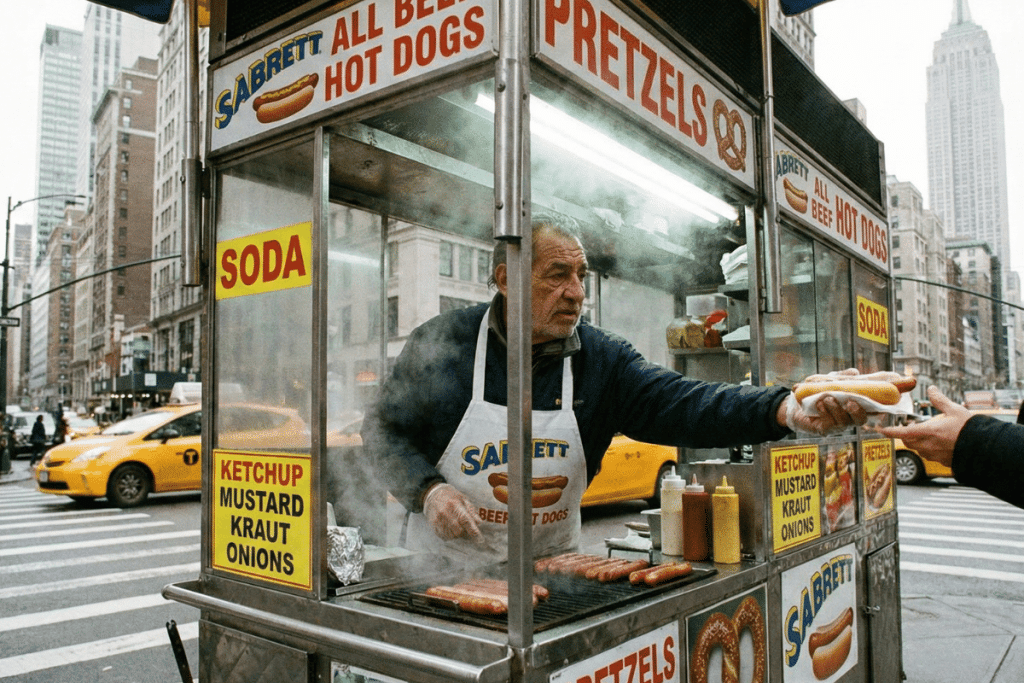
The history of street food is deeply rooted in necessity. In ancient times, street food emerged as a solution for busy workers and travelers who needed quick, affordable meals. In cities like Rome, street vendors sold bread and porridge to the masses, while in China, noodle carts became a staple of urban life.
Over time, these humble carts evolved into culinary crucibles, where local ingredients and regional spices were transformed into iconic dishes. Street food became a way for communities to showcase their culinary creativity, adapting to the resources available and the tastes of their customers.
Ingredient Innovation and Culinary Evolution
One of the most remarkable aspects of street food is its ability to innovate. Vendors often use simple, affordable ingredients to create complex, flavorful dishes. In Thailand, for example, Pad Thai combines rice noodles, tamarind, fish sauce, and peanuts into a dish that’s both affordable and delicious. In Vietnam, banh mi sandwiches blend French baguettes with Vietnamese fillings, a testament to the country’s colonial history.
Street food is also a hotbed of culinary innovation. Vendors constantly experiment with new flavors, techniques, and presentations, often drawing inspiration from each other. This “copycat culture” creates a dynamic environment where culinary trends are born and evolve at lightning speed.
The Economic Pulse on the Pavement
Street Food as an Informal Economy
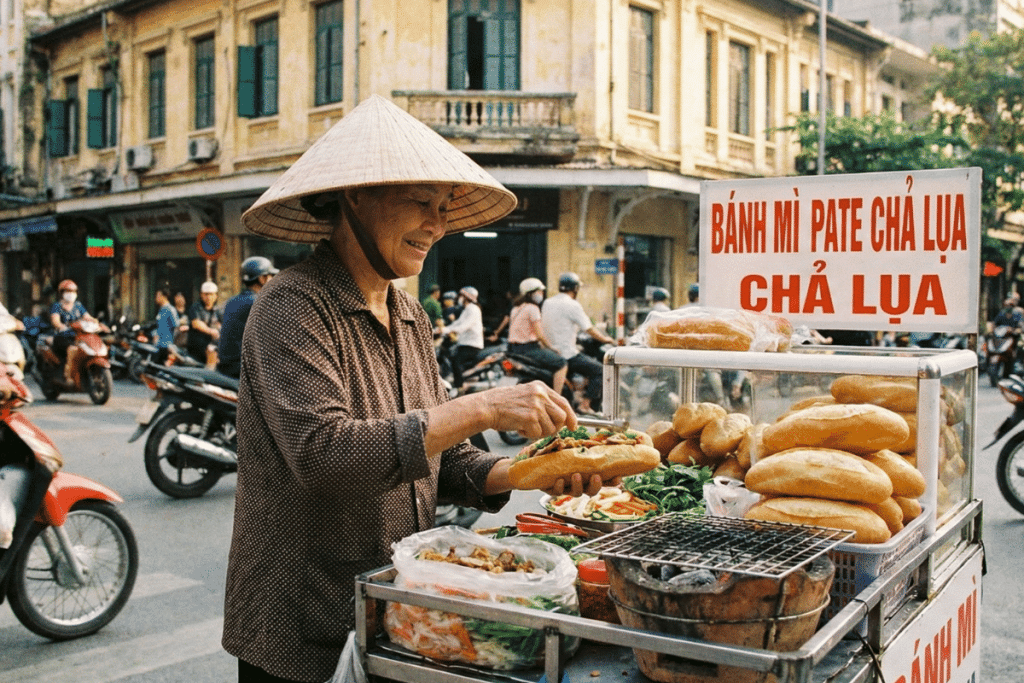
Street food is more than just a source of delicious meals—it’s a vital part of the informal economy in many countries. Millions of people around the world rely on street food vending as a source of income and entrepreneurship. For many vendors, a humble food cart represents an opportunity for economic mobility and financial independence.
Empowering Communities and Preserving Traditions
Street food also plays a crucial role in preserving cultural traditions. For migrant populations, street food offers a way to share their heritage with their new communities while earning a living. It’s a way to keep traditional recipes alive and introduce them to new audiences.
In many cities, street food vendors work closely with local markets, creating a symbiotic relationship that supports farmers, suppliers, and other small businesses. This vibrant ecosystem not only sustains livelihoods but also fosters a sense of community and cultural pride.
Cultural Identity, One Bite at a Time
Storytelling Through Food
Every street food dish tells a story. It’s a snapshot of a city’s history, culture, and people. From the spices used to the cooking techniques employed, each bite carries generations of cultural heritage and local narratives.
Take pho in Vietnam, for example. This iconic noodle soup reflects the country’s agricultural roots and its history of French colonization. Similarly, in India, chaat—a popular street food snack—showcases the country’s love for bold flavors and diverse ingredients.
The Ultimate Social Equalizer
Street food is a great equalizer. It’s a place where people from all walks of life can come together over a shared love of food. Whether you’re a local office worker grabbing lunch or a tourist exploring a new city, street food offers a common ground that transcends social, economic, and cultural barriers.
Preserving Endangered Recipes
In a world where fast food chains and globalized cuisine dominate, street food vendors are often the guardians of endangered recipes. They keep obscure or regional dishes alive, ensuring that future generations can experience the flavors and traditions of the past.
The Future of Flavor: Reshaping Cityscapes

Challenges and Opportunities
Despite its cultural and economic importance, street food faces numerous challenges. Vendors often struggle with a lack of recognition, inadequate infrastructure, and strict regulations. However, there is growing awareness of the need to support and protect street food culture.
Organizations and governments around the world are beginning to invest in proper infrastructure, hygiene standards, and training programs for street food vendors. These initiatives not only improve the quality and safety of street food but also help secure its future as a vital part of urban life.
Global Fusion on the Go
As cities become more diverse, street food is evolving to reflect this cultural melting pot. New generations of street food entrepreneurs are blending traditional recipes with modern trends, creating innovative dishes that appeal to a global audience.
From Korean-Mexican fusion tacos to sushi burritos, the possibilities are endless. This fusion of flavors and techniques ensures that street food remains dynamic, relevant, and exciting.
Your Next Culinary Adventure
If you’re looking to truly experience a city, skip the fancy restaurants and head to the streets. Whether it’s the sizzling satay stalls of Jakarta, the aromatic noodle carts of Hanoi, or the vibrant taco stands of Mexico City, street food offers an authentic taste of a place that no fine-dining establishment can replicate.
A Personal Favorite: Mango and Sticky Rice in Thailand
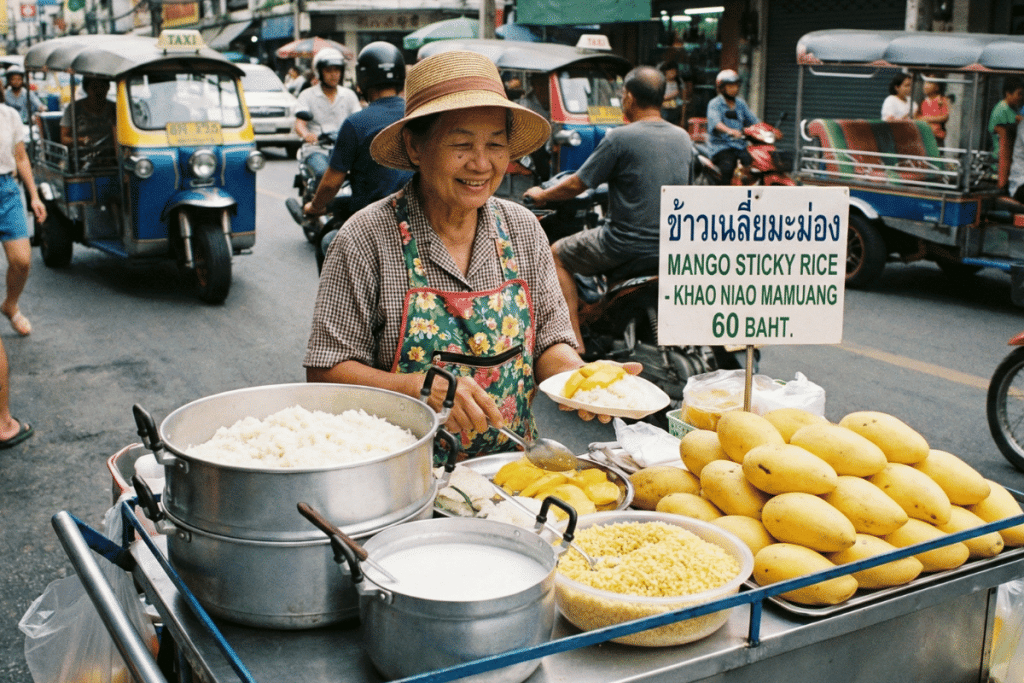
One of my favorite street food experiences was in Thailand, where I discovered the simple yet irresistible combination of mango and sticky rice.
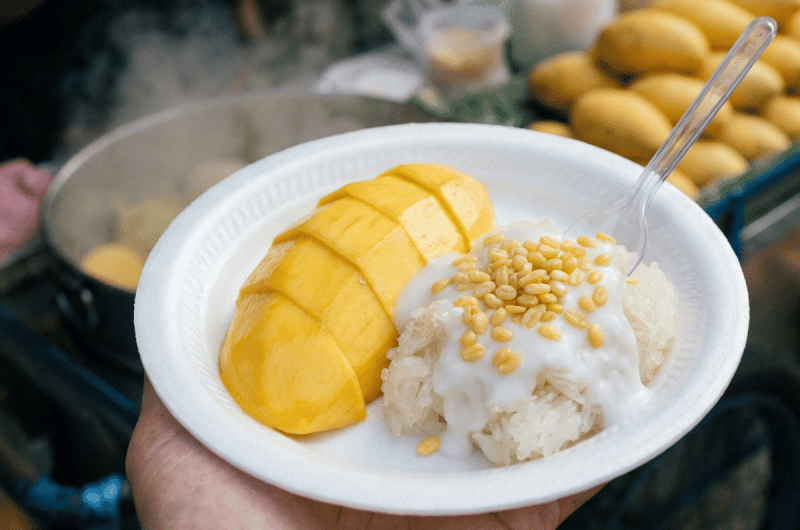
This iconic Thai dessert is a perfect example of how street food can capture the essence of a culture. The sweet, juicy mango paired with creamy coconut milk and sticky rice is a symphony of flavors and textures that I’ll never forget.
Authentic Mango and Sticky Rice Recipe
Course: ThaiCuisine: DessertDifficulty: Easy4
servings20
minutes25
minutes45
minutesIngredients
- For the Sticky Rice:
1 cup glutinous (sticky) rice
1 ½ cups water
- For the Coconut Sauce:
1 cup coconut milk
¼ cup granulated sugar
¼ teaspoon salt
- For Serving:
2 ripe mangoes, peeled and sliced
1 tablespoon sesame seeds (optional, for garnish)
Sweet Corn Kernels (optional)
Directions
- Cook The Sticky Rice
- Rinse the sticky rice in cold water until the water runs clear. Soak the rice in water for at least 4 hours or overnight.
- Drain the soaked rice and steam it in a bamboo steamer or a metal colander lined with cheesecloth for about 20–25 minutes, or until tender.
- Prepare the Coconut Sauce:
- In a small saucepan, combine the coconut milk, sugar, and salt. Heat over medium heat, stirring constantly, until the sugar is dissolved. Do not let it boil.
- Reserve ¼ cup of the sauce for drizzling over the top.
- Combine the Rice and Coconut Sauce:
- Once the sticky rice is cooked, transfer it to a large bowl. Pour the remaining coconut sauce over the rice and mix well. Cover and let it sit for 10–15 minutes to absorb the flavors.
- Assemble the Dish:
- Serve the sticky rice on a plate alongside the sliced mango. Drizzle with the reserved coconut sauce and sprinkle with sesame seeds if desired. Sweet corn kernels are also optional.
Glutionous (Sticky) Rice vs Regular White Rice
Glutinous (sticky) rice is not the same as regular rice. While both are types of rice, they have distinct differences in texture, composition, and culinary uses. Here’s a breakdown:
1. Texture
- Glutinous (Sticky) Rice: When cooked, it becomes very sticky, soft, and clumps together, making it easy to pick up with chopsticks or mold into shapes. This stickiness is due to its high amylopectin content and low amylose content.
- Regular Rice: Regular rice (such as long-grain rice like basmati or jasmine) is less sticky when cooked because it has a higher ratio of amylose, which keeps the grains separate.
2. Appearance
- Glutinous (Sticky) Rice: The grains are shorter and more opaque, and they take on a shiny, sticky texture when cooked.
- Regular Rice: Grains are often longer, more translucent, and remain distinct from one another after cooking.
3. Flavor
- Glutinous (Sticky) Rice: It has a slightly sweeter and nuttier flavor, making it ideal for desserts like mango sticky rice and savory dishes like sticky rice dumplings.
- Regular Rice: Depending on the variety, regular rice can range from neutral to aromatic (e.g., jasmine rice) and is more versatile for a wide range of dishes.
4. Culinary Uses
- Glutinous (Sticky) Rice: Commonly used in Asian cuisines for desserts (e.g., mango sticky rice, sweet rice cakes) and savory dishes (e.g., sticky rice with sausage or dumplings). It is also used in dishes where a sticky texture is desired.
- Regular Rice: Used in a variety of cuisines for dishes like pilafs, fried rice, biryanis, and as a side for curries or stir-fries.
5. Gluten Content
Despite its name, glutinous rice is gluten-free. The term “glutinous” refers to its sticky, glue-like texture when cooked, not to gluten (a protein found in wheat, barley, and rye). This makes it safe for those with gluten sensitivities or celiac disease.
Can You Substitute Regular Rice for Glutinous Rice?
Generally, you cannot substitute regular rice for glutinous rice in recipes that require the sticky texture, such as mango sticky rice or traditional Asian desserts. Regular rice will not achieve the same sticky, cohesive texture.
However, for some savory dishes, you might be able to use jasmine rice or short-grain rice as a substitute, though the results won’t be identical.
For authentic recipes like mango sticky rice, it’s best to use glutinous (sticky) rice to achieve the proper texture and flavor.
Final Thoughts On Street Food
Street food is more than just a meal—it’s an adventure, a story, and a connection to the heart of a city. From its humble beginnings to its role as a cultural and economic powerhouse, street food continues to shape the way we experience and understand the world.
So the next time you’re exploring a new city, skip the Michelin-starred restaurants and head to the streets. You just might discover the true taste of a place, one delicious bite at a time. And if you ever find yourself in Thailand, don’t miss out on the mango and sticky rice—it’s a street food experience you’ll savor forever.
Happy eating!
Deep Dive Podcast
Check out our Deep Dive Podcast.
At A Bus On A Dusty Road, we talk about travel, life, and ex-pat living. We are all about “Living Life As A Global Citizen.” We explore social, cultural, and economic issues and travel.
We would love to have you be part of our community. Sign up for our newsletter to keep up-to-date by clicking here. If you have any questions, you can contact me, Anita, by clicking here.
Listen to our Podcast called Dusty Roads. You can find it on all major podcast platforms. Try out listening to one of our podcasts by clicking here.
Subscribe to our A Bus On A Dusty Road YouTube Channel with great videos and information by clicking here.
Related Questions
The Vietnamese Bun Cha Food Dish, All You Need To Know
Bún Chả is a Vietnamese food dish that is thought to have originated in North Vietnam. It is made from rice noodles, grilled pork, salad, and a Bún Chả fish sauce mixture. It is a dish you can learn to make and serve in your home. Bún Chả became very famous when the U.S. President Barack Obama sat down with CNN’s Anthony Bourdain in a small local Bún Chả noodle shop in Hanoi, Vietnam.
Read our blog The Vietnamese Bun Cha Food Dish, All You Need To Know by clicking here.
Why is Rice Important to the Vietnamese?
Rice is essential to the Vietnamese because rice is one of the world’s most important staple foods. Due to its climate, Vietnam is one of the world’s leading rice producers. As with many things in Vietnam, there is folklore and legends about rice and rice production. You can visit many places in Vietnam to see some spectacular rice fields and rice terraces.
You can find out more about this by reading our blog, Why Rice is Important in Vietnam, What You Need To Know by clicking here.
What About Vietnam’s Morning Exercise?
The mornings in Vietnam are always extremely active, with people out and about exercising. It is usually safe to go out early in Hanoi, Vietnam. The streets are always bustling with a lot of activity and excitement. People in the city tend to start their days very early. You must also get up early to see the early morning exercise. There are a lot of places in Hanoi where you can see a lot of early-morning exercisers. Starting the day early is a habit that many people have throughout all Asia.
You can see a video about morning exercise in Vietnam and read our blog called Early Morning Exercise in Hanoi, Vietnam, What You Need to Know by clicking here.