
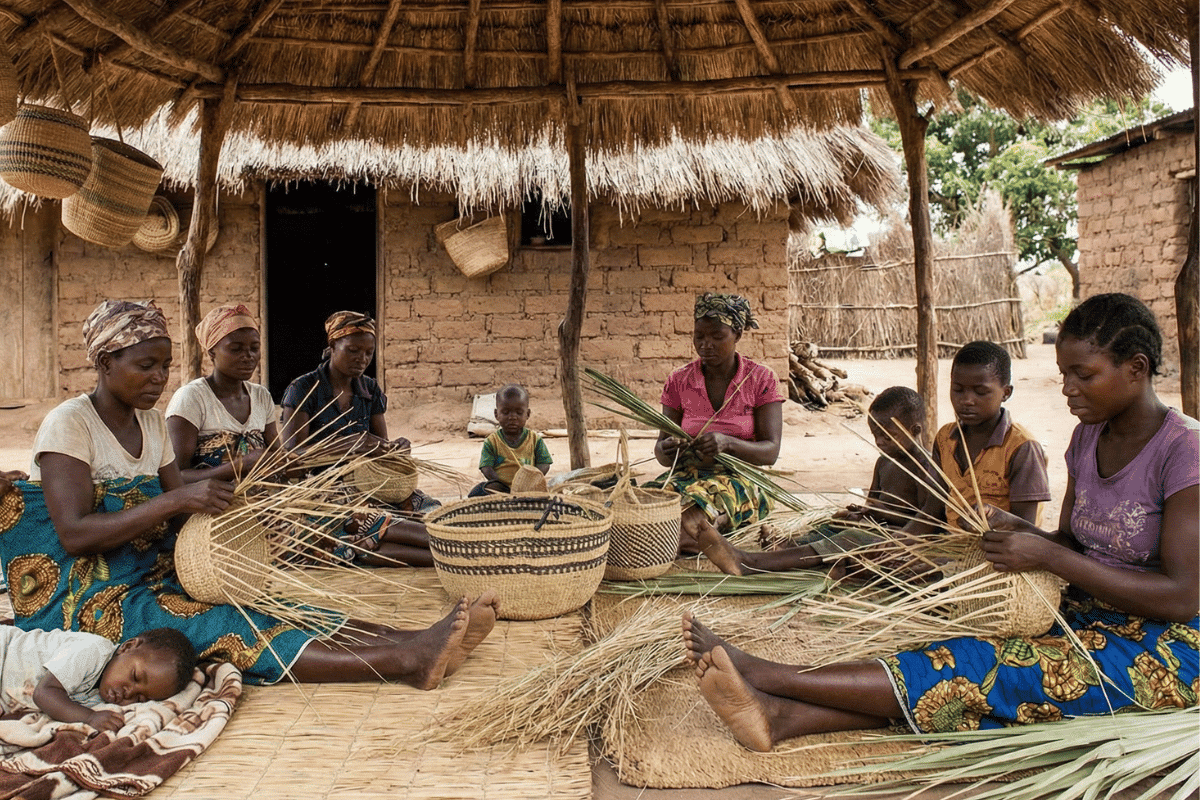
As we navigate the economic landscape of 2026, we must confront a stark reality: the global informal economy has a female face. Understanding the unique hurdles women face in this sector is key to unlocking true global prosperity and gender equality.
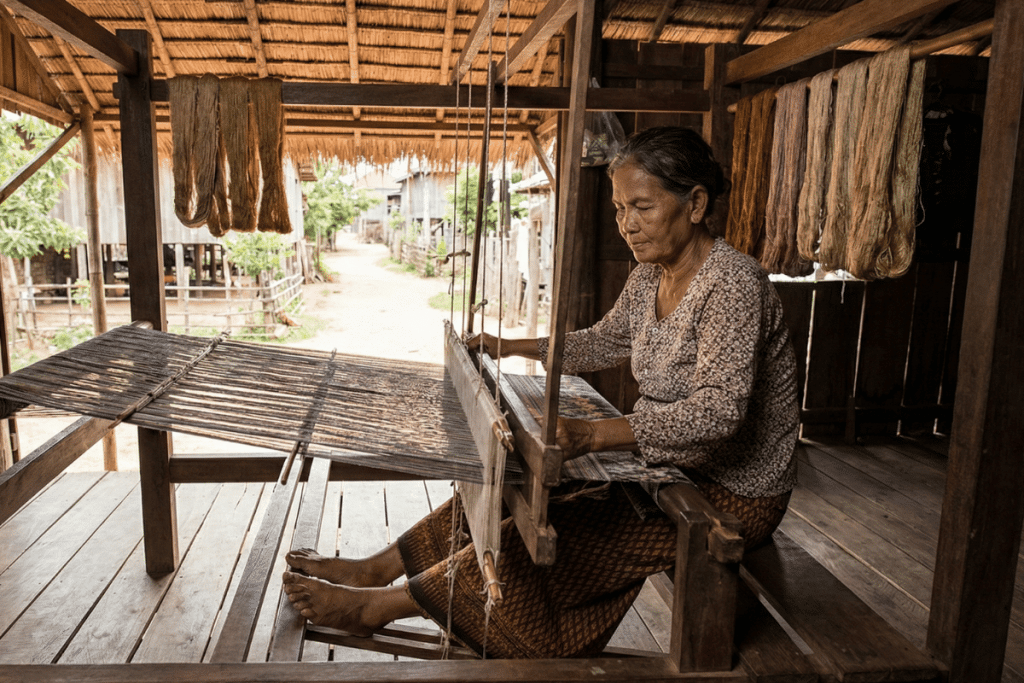
If you were to ask the average person to picture the global economy, they might imagine stock market floors, bustling factories, or gleaming corporate towers. They are less likely to picture a woman weaving textiles in her living room in Lahore, a domestic worker navigating multiple households in Lima, or a roadside food vendor in Phnom Penh. Yet, these women are not the margins of the economy; in many parts of the world, they are its very engine.
Table of Contents
- 60% of the Global Workforce: The Reality of the Informal Economy
- Deep Dive Podcast
- Related Questions
60% of the Global Workforce: The Reality of the Informal Economy
The data remains stubborn and telling. While over 60% of the total global workforce is informal, the distribution is not gender-neutral. In many regions, particularly in developing economies across Africa, Asia, and Latin America, women are disproportionately represented in the informal sector.
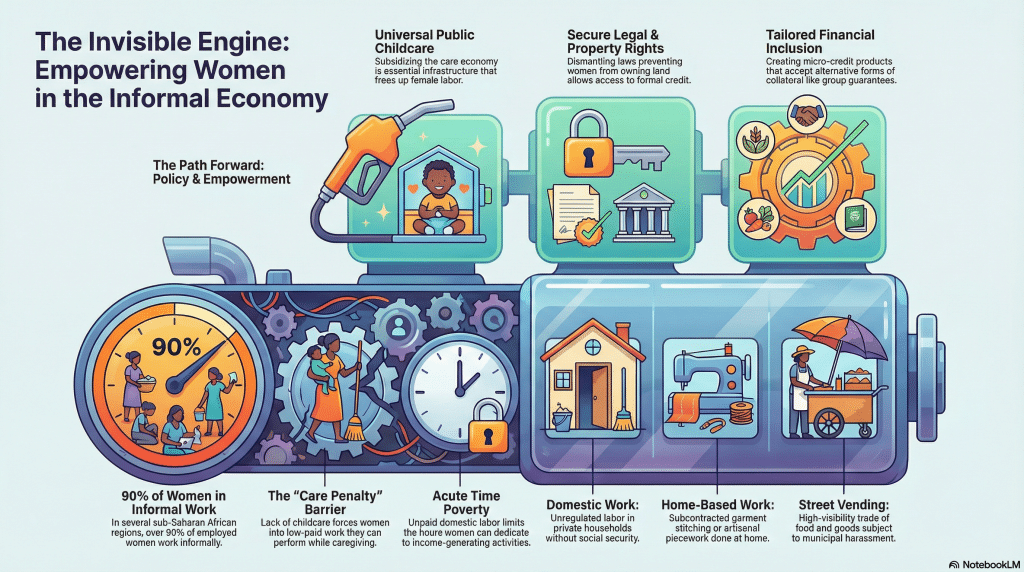
In some sub-Saharan African countries, over 90% of employed women work informally.
But this is not just a story of the “developing world.” In high-income nations, the explosion of the gig economy, care work platforms, and freelance sectors has created a new wave of informalization that heavily relies on female labor.
For millions of women, the informal economy is a double-edged sword. It is a vital source of income and a realm of entrepreneurial spirit, offering a flexibility that formal employment often denies.
Yet, it is also a trap—a space rife with gender inequality, where the lack of legal protections exacerbates the systemic vulnerabilities women already face.
To talk about economic progress without talking about women in the informal economy is to miss more than half the picture. This post explores the critical role these women play, the unique weight of the challenges they carry, and the policies necessary to shift from mere survival to genuine women empowerment.
1. The Invisible Backbone: Where Women Work and Why
Why are women so heavily concentrated in the informal economy? The answer is a complex tapestry of societal norms, economic necessity, and systemic barriers to formal entry.
Unlike the formal sector, which often demands rigid hours and distinct separation between “work” and “home,” informal work is porous. For decades, society has assigned the bulk of unpaid care work—raising children, caring for the elderly, managing the household—to women.
The informal economy is often the only sector that accommodates this “second shift.” A woman can run a small convenience store from her home while watching her toddlers, or take in piecework sewing that she can do late at night after the house is asleep.
The Sectors of Female Informality
While men in the informal economy often dominate sectors like construction or transport, women’s informal work is frequently concentrated in areas that are an extension of their traditional domestic roles, making it even less visible to policymakers:
- Domestic Work: Millions of women globally work in private households without contracts, social security, or clear job descriptions. They are among the most vulnerable workers in the world, often isolated and subject to exploitation behind closed doors.
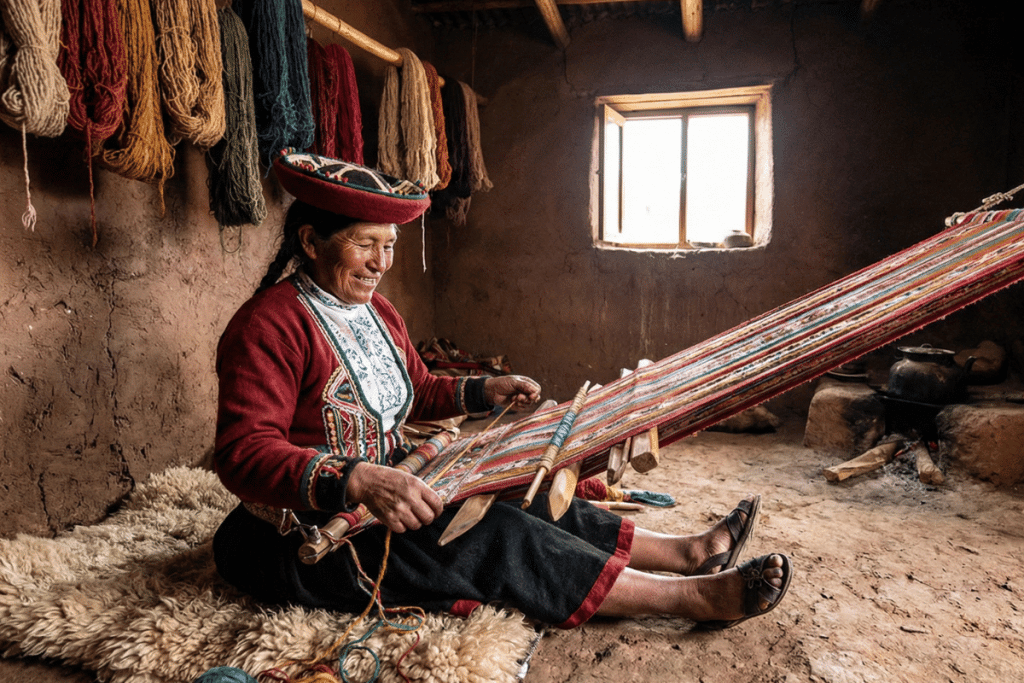
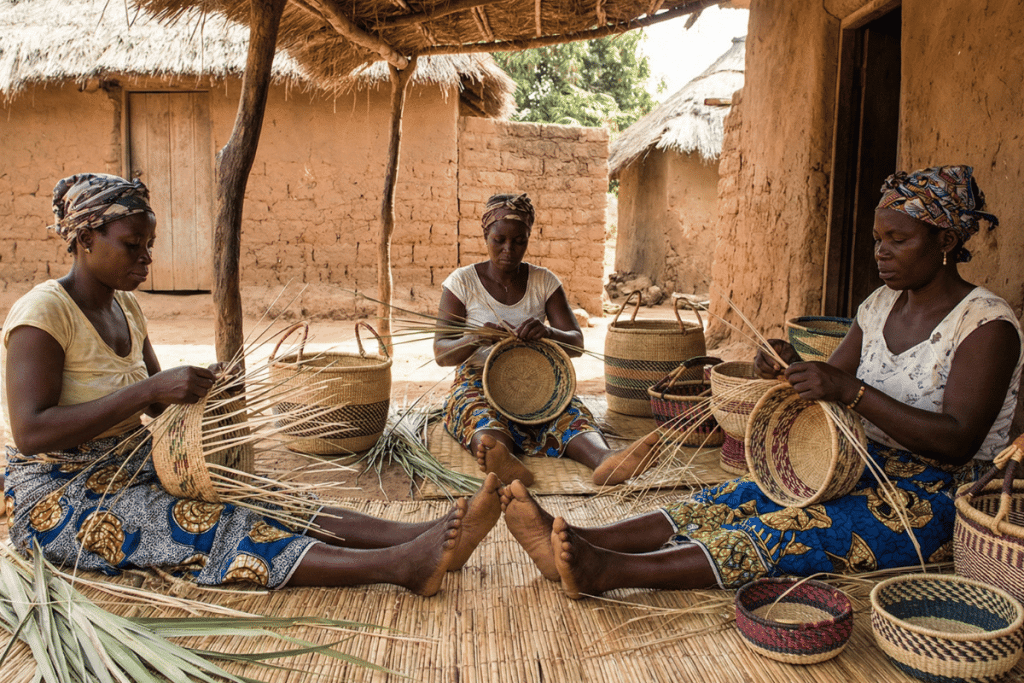
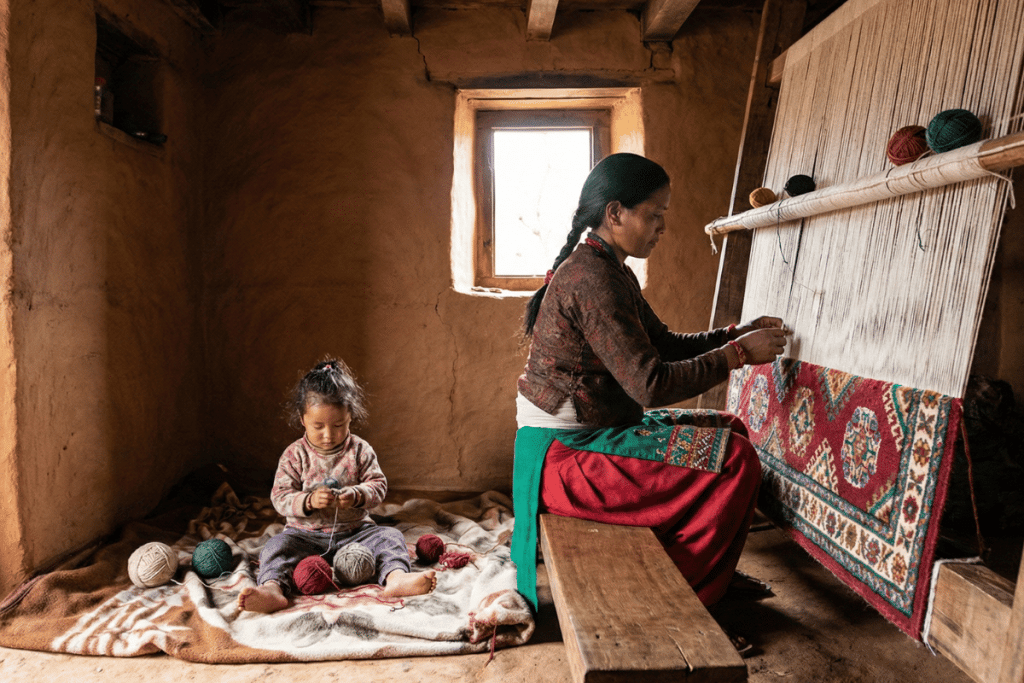
- Home-Based Workers: This includes dependent subcontract workers (like stitching garments for a global supply chain) and independent own-account workers (like artisans). Their workplace is their home, blurring legal lines of safety and regulation.
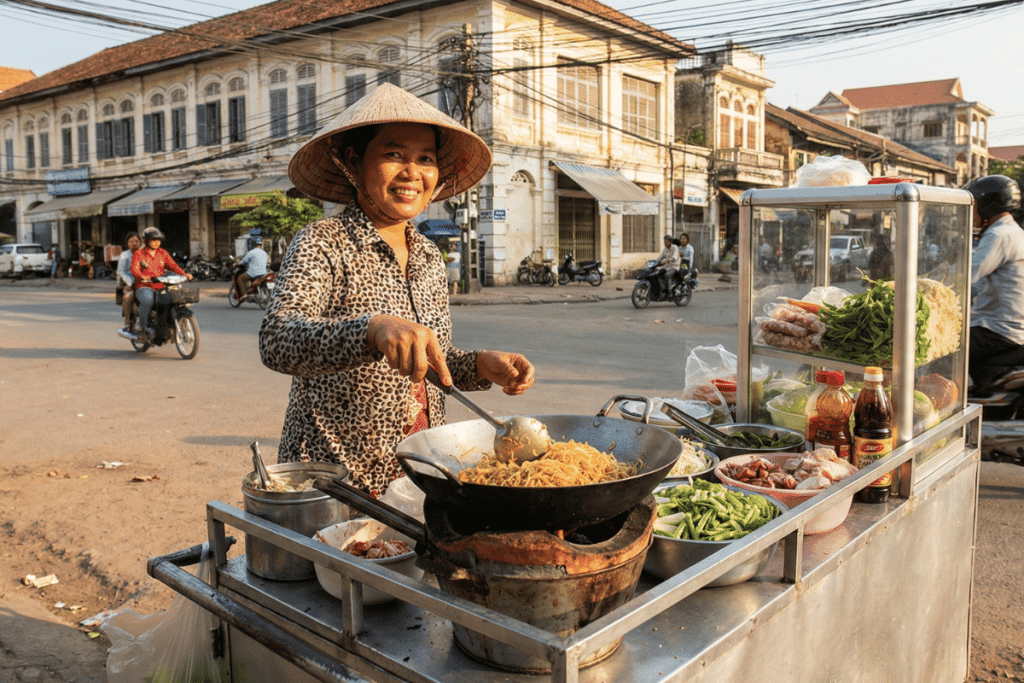
- Street Vending and Market Trade: Women are the face of food security in many cities, selling fresh produce and cooked meals. While highly visible, they operate in constant precarity regarding city authorities and zoning laws.
- Agriculture: In many agrarian societies, women perform the bulk of planting, weeding, and harvesting on family plots, work that is almost rarely recognized as formal “employment” or remunerated with a regular wage.
2. The Double Burden: Gender-Specific Challenges
If the informal economy is a difficult environment for any worker, it is significantly more hostile to women. Gender inequality acts as a multiplier for every standard challenge of informality. When a lack of labor rights intersects with patriarchal societal norms, the result is a profound depth of vulnerability.
A. The Deepened Wage Gap and “Time Poverty”
We often discuss the gender pay gap in the corporate world. In the informal economy, that gap becomes a chasm. Because informal work is unregulated, there are no minimum wage guarantees. Women often end up in the lowest-paid rungs of the informal ladder—such as piece-rate work—where their earnings are significantly lower than men doing similar informal labor.
Furthermore, women suffer from acute “time poverty.” Because they carry the burden of unpaid domestic labor, they have fewer hours available for income-generating work compared to men. A male street vendor might be able to work 12 hours a day to maximize profit; a female vendor may only manage six before she must return to care duties. This limits her earning potential and her ability to grow a small enterprise.
B. The Care Penalty: Lack of Social Infrastructure
The most significant barrier to women empowerment in the economy is the lack of affordable, accessible childcare. The formal workplace was designed for a breadwinner (historically male) who had someone else (historically female) managing the home front.
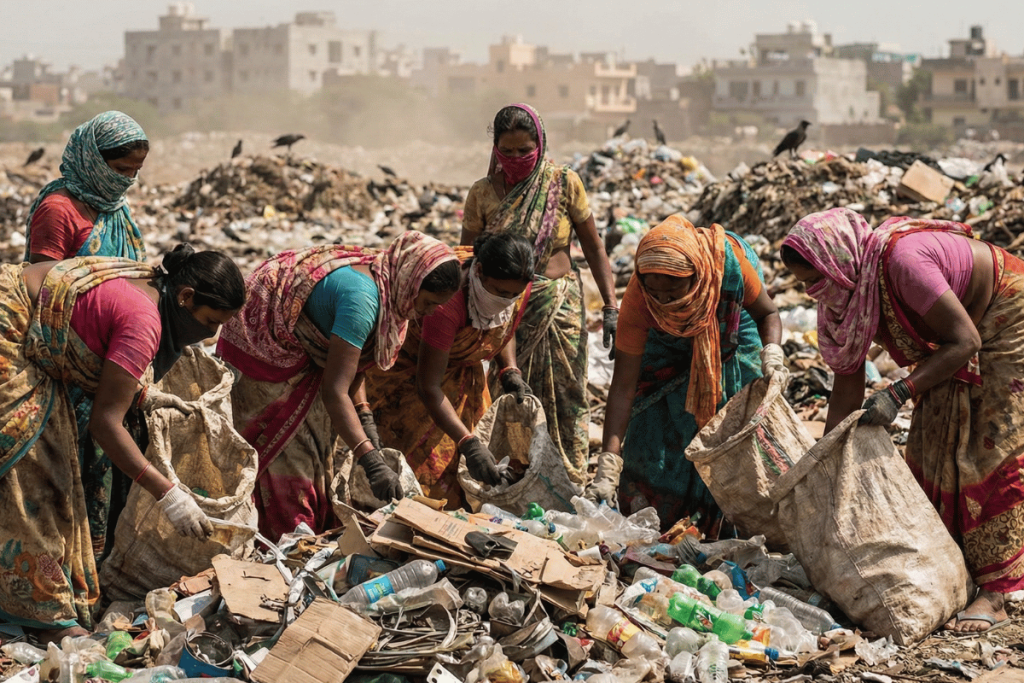
For an informal worker living on the poverty line, private childcare is an impossible luxury. The result is a forced choice: earn a meager income in the informal sector where you can bring your child along (exposing them to unsafe environments like markets or dumpsites), or withdraw from the workforce entirely.
The absence of state-sponsored maternity leave for informal workers also means that pregnancy can lead to immediate destitution.
C. Vulnerability, Harassment, and Violence
Women in the informal economy face unique safety risks. Street vendors are frequently targets of harassment, extortion, and confiscation of goods by police or municipal authorities. Because they are operating “illegally” or semi-legally, they have little recourse to report abuse.
Domestic workers are perhaps the most at risk, facing high rates of physical, verbal, and sexual abuse behind the closed doors of their employers’ homes, with zero HR departments or unions to protect them.
D. Financial and Legal Exclusion
In many parts of the world, legal and cultural barriers prevent women from owning land or property. Without collateral, they cannot access formal bank loans to expand their micro-businesses. They are forced to rely on predatory informal moneylenders with exorbitant interest rates, trapping them in cycles of debt.
Furthermore, legal systems often fail to recognize their work. A home-based worker is rarely seen as a legitimate business owner by city planners, meaning her workspace (her home) is not protected by zoning laws or provided with essential services like reliable electricity or water, which are crucial for her productivity.
3. Resilience and Opportunity
Despite these immense structural challenges, it is crucial not to view women in the informal economy solely as victims. They are also incredible agents of resilience, innovation, and community survival.
In the face of financial exclusion, women have historically organized their own financial systems, such as Rotating Savings and Credit Associations (ROSCAs), pooling resources to fund each other’s business needs or emergencies.
The rise of digital platforms has also offered a double-edged opportunity. On one hand, gig platforms for cleaning, care, or freelance tasks offer lower barriers to entry and flexible scheduling that many women need. On the other hand, these platforms often replicate the precarity of traditional informality—shifting all risk, costs, and lack of benefits onto the worker while an algorithm dictates their earning potential.
True opportunity lies in harnessing this resilience and providing the structural support needed for these women to stop just “surviving” and start thriving.
4. The Path Forward: Policy and Empowerment
Moving the needle on women empowerment in the informal economy does not mean simply trying to force everyone into formal office jobs. It means recognizing the reality of informal work and extending rights, protections, and opportunities into that space, with a specific focus on gender.
If we want to build a more equitable global economy by 2030, we need bold policy reforms centered on the realities of women’s lives.
I. Recognize and Subsidize the Care Economy
The single most transformative policy for women is the provision of universal, high-quality public childcare. Childcare is not a “women’s issue”; it is essential economic infrastructure, just like roads or bridges.
When the state provides affordable care, it frees up millions of hours of female labor. It allows women in the informal sector to work more hours, earn more money, and potentially transition to better-quality employment. Furthermore, the state must develop social protection schemes that provide maternity benefits to women regardless of their employment contract status.
II. Gender-Sensitive Social Protection Floors
Social security systems must be redesigned to decouple benefits from formal employment history. We need universal health coverage that doesn’t depend on a boss paying a premium. We need pension schemes designed for irregular, low-income contributors.
Some countries have successfully experimented with simplified tax regimes for micro-entrepreneurs that automatically enroll them in basic social security, providing a safety net for market women and home-based workers.
III. Legal Reform and Property Rights
Governments must actively dismantle laws that prevent women from owning land, inheriting property, or opening bank accounts independently. Secure tenure for street vendors—giving them the legal right to occupy a space without fear of harassment—is a vital step toward stabilizing their income.
For domestic workers, ratification and enforcement of the ILO Convention 189 (Decent Work for Domestic Workers) is essential to bringing this invisible workforce under the protection of labor laws.
IV. Supporting Collective Action and Voice
Women in the informal economy are powerful when organized. Supporting organizations like the Self-Employed Women’s Association (SEWA) in India, or various domestic worker unions globally, is crucial. These collectives give women the bargaining power to negotiate with city officials, suppliers, and employers, amplification a voice that is ignored individually.
V. Digital and Financial Inclusion Designed for Women
Fintech initiatives must be tailored to the needs of informal women workers. This means creating micro-credit products that accept alternative forms of collateral (like reputation or group guarantees) and ensuring digital literacy training accompanies access to mobile banking tools. We must ensure the digital divide doesn’t further marginalize the poorest women.
An Economic Imperative
The concentration of women in the informal economy is not an accident; it is the result of economic systems designed without women’s realities in mind.
For too long, the work performed by these women has been undervalued, unprotected, and invisible to policymakers. Yet, they put food on the table for billions, care for the sick and elderly, and keep supply chains moving.
Addressing the challenges they face—closing the gap in wages, rights, and care burden—is not just a moral obligation of gender inequality; it is smart economics. When women are empowered economically, families are healthier, communities are more stable, and nations are more prosperous. Recognizing the value of the informal female workforce is the first step toward building an economy that truly works for everyone.
Deep Dive Podcast
Listen to our Deep Dive Podcast.
At A Bus On A Dusty Road, we talk about travel, life, and ex-pat living. We are all about “Living Life As A Global Citizen.” We explore social, cultural, and economic issues and travel.
We would love to have you be part of our community. Sign up for our newsletter to keep up-to-date by clicking here. If you have any questions, you can contact me, Anita, by clicking here.
Listen to our Podcast called Dusty Roads or the Deep Dive By Dusty Roads. You can find it on all major podcast platforms. Try out listening to one of our podcasts by clicking here.
Subscribe to our A Bus On A Dusty Road YouTube Channel with great videos and information by clicking here.
Related Questions
The Vietnamese Bun Cha Food Dish, All You Need To Know
Bún Chả is a Vietnamese food dish that is thought to have originated in North Vietnam. It is made from rice noodles, grilled pork, salad, and a Bún Chả fish sauce mixture. It is a dish you can learn to make and serve in your home. Bún Chả became very famous when the U.S. President Barack Obama sat down with CNN’s Anthony Bourdain in a small local Bún Chả noodle shop in Hanoi, Vietnam.
Read our blog The Vietnamese Bun Cha Food Dish, All You Need To Know by clicking here.
Why is Rice Important to the Vietnamese?
Rice is essential to the Vietnamese because rice is one of the world’s most important staple foods. Due to its climate, Vietnam is one of the world’s leading rice producers. As with many things in Vietnam, there is folklore and legends about rice and rice production. You can visit many places in Vietnam to see some spectacular rice fields and rice terraces.
You can find out more about this by reading our blog, Why Rice is Important in Vietnam, What You Need To Know by clicking here.
What About Vietnam’s Morning Exercise?
The mornings in Vietnam are always extremely active, with people out and about exercising. It is usually safe to go out early in Hanoi, Vietnam. The streets are always bustling with a lot of activity and excitement. People in the city tend to start their days very early. You must also get up early to see the early morning exercise. There are a lot of places in Hanoi where you can see a lot of early-morning exercisers. Starting the day early is a habit that many people have throughout all Asia.
You can see a video about morning exercise in Vietnam and read our blog called Early Morning Exercise in Hanoi, Vietnam, What You Need to Know by clicking here.